

Your home may be your biggest asset, but the belongings inside it can add up to tens of thousands of dollars—or more.
Furniture, clothing, electronics, appliances, tools, jewelry, collectibles, and everyday household items all have value. If a covered event such as a fire or theft destroys or damages those belongings, personal property insurance can help pay to repair or replace them.
But how much personal property insurance do you actually need? Are your belongings covered when they’re away from home? What happens if your jewelry is stolen? And what’s the difference between replacement cost and actual cash value?
Here’s what you need to know about personal property insurance and how to make sure your belongings have the protection you expect.
What Is Personal Property Insurance?
Personal property insurance protects the belongings you own against certain covered losses. It is commonly included as part of homeowners, renters, and condo insurance policies.
Depending on your policy, covered personal property may include belongings damaged or destroyed by events such as fire, theft, or certain types of water damage.
The important word is covered.
Insurance does not automatically cover every type of damage or loss. Your policy’s covered perils, exclusions, limits, deductibles, and valuation method all determine what happens after a claim.

What does personal property insurance cover?
Personal property coverage may protect many of the things you would take with you if you moved, including:
- Furniture: Sofas, beds, tables, chairs, bookcases, and other furnishings
- Clothing: Shoes, coats, luggage, accessories, and everyday clothing
- Electronics: Televisions, laptops, tablets, gaming systems, and audio equipment
- Household goods: Dishes, cookware, linens, lamps, rugs, and decorations
- Appliances: Certain portable household appliances
- Tools and equipment: Hand tools, lawn equipment, and hobby gear, subject to policy limits
- Personal belongings away from home: Certain items kept temporarily in a vehicle, hotel room, storage facility, or college dorm
Coverage for belongings away from your home can be subject to different limits and conditions, so check your specific policy rather than assuming everything is fully covered.
Does Homeowners Insurance Include Personal Property Coverage?
Yes. Personal property coverage is generally one component of a homeowners insurance policy.
It’s different from dwelling coverage, which protects the physical structure of your home.
| Type of coverage | What it generally protects |
|---|---|
| Dwelling coverage | The home’s physical structure, such as walls, roof, floors, and built-in systems |
| Personal property coverage | Your movable belongings, such as furniture, clothing, electronics, and household goods |
| Other structures coverage | Certain detached structures, such as sheds or detached garages |
| Loss of use coverage | Certain additional living expenses after a covered loss makes your home uninhabitable |
| Liability coverage | Certain claims when you are legally responsible for injury or property damage |
One event can involve several types of coverage.
For example, imagine a kitchen fire damages your home. The cabinets and walls may fall under dwelling coverage. Your cookware, furniture, and electronics may fall under personal property coverage. If you temporarily have to stay in a hotel, qualifying additional living expenses may fall under loss of use coverage.
Understanding these distinctions can make a major difference when you’re reviewing your policy.
How Much Personal Property Insurance Do I Need?
The right amount of personal property insurance depends on the value of your belongings—not simply how much you think you own.
Many homeowners underestimate the replacement cost of their possessions because they acquired them gradually over many years.
Consider everything in just one room:
- Furniture
- Clothing
- Electronics
- Window treatments
- Rugs
- Books
- Decorations
- Kitchen equipment
- Children’s belongings
Now multiply that across your entire home.
The total can be surprisingly high.
Many homeowners policies calculate personal property coverage as a percentage of the dwelling coverage amount, but the exact limit depends on the policy. Your insurance professional can help you determine whether the standard limit is appropriate for your situation.
The easiest way to estimate your personal property needs
Create a home inventory.
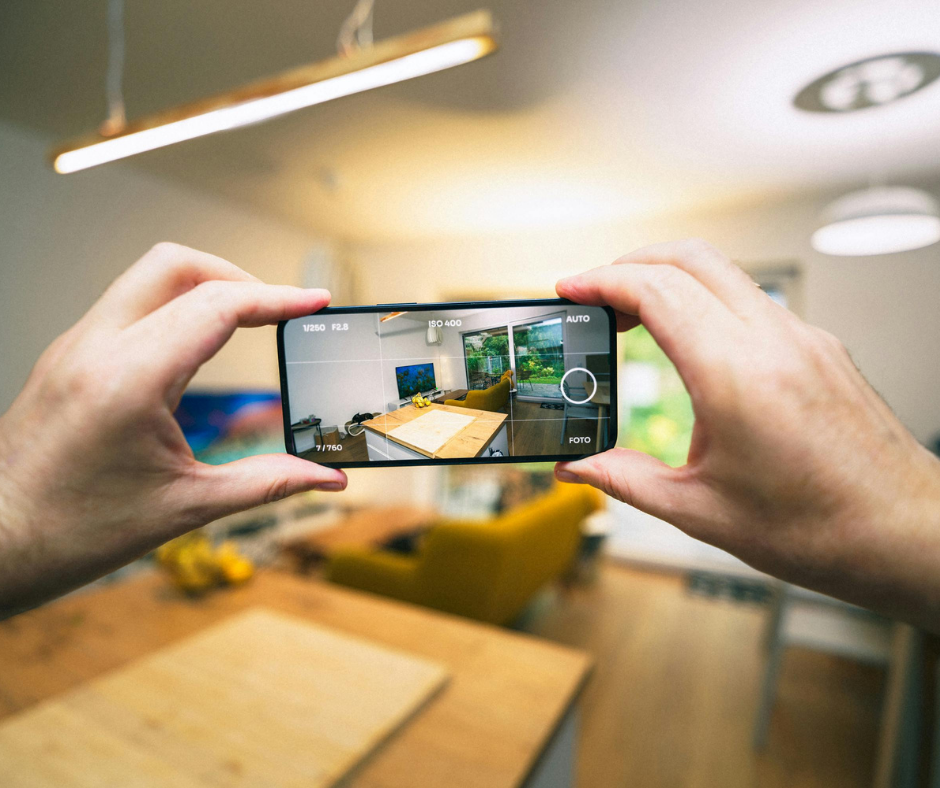
You don’t need a complicated spreadsheet. Walk through your home room by room and document what you own.
A useful home inventory should include:
- Photos or video: Take wide shots of rooms and closer photos of valuable belongings.
- Receipts: Save receipts when you have them, especially for expensive purchases.
- Model and serial numbers: Record these for electronics, tools, appliances, and other applicable items.
- Estimated replacement values: Consider what it would cost to replace the item today.
- Secure backup copies: Store your inventory somewhere outside your home, such as secure cloud storage.
The NAIC recommends creating a home inventory because it can help you determine how much coverage you need and make the claims process easier after a loss.
Replacement Cost vs. Actual Cash Value: What’s the Difference?
One of the most important questions to ask about your personal property coverage is whether claims are settled using replacement cost or actual cash value (ACV).
The difference can have a significant impact on how much you receive after a covered loss.
Replacement cost coverage
Replacement cost generally pays what it costs to repair or replace damaged property with something of similar kind and quality, without subtracting depreciation, subject to your policy’s terms and limits.
For example, if a five-year-old television is destroyed in a covered fire, replacement cost coverage may help pay for a comparable new television.
Actual cash value
Actual cash value accounts for depreciation based on factors such as age and wear and tear.
That means an older item may be worth considerably less at the time of the loss than what it would cost to purchase a new replacement.
The NAIC notes that ACV coverage can result in a lower claim payment because depreciation is deducted, while replacement cost coverage generally provides more money toward replacing the damaged property.
Why this matters
Imagine you paid $1,500 for a television five years ago.
If the television is destroyed in a covered loss, the amount you receive may be very different depending on whether your policy uses ACV or replacement cost.
Before you need to file a claim, find out which valuation method your policy uses.
Also ask whether the insurer initially pays actual cash value and then reimburses additional replacement costs after you replace the item and provide documentation. Policy terms vary.
Does Personal Property Insurance Cover Water Damage?
Sometimes—but the source of the water matters.
A sudden and accidental water event, such as a burst pipe, may be treated differently from water entering the home from outside.
Other situations that may have different coverage include:
- Sewer or drain backup
- Sump pump overflow
- Gradual leaks
- Water caused by poor maintenance
- Storm surge
- Rising surface water
- Flooding from overflowing waterways
For example, if a covered burst pipe damages your furniture and clothing, personal property coverage may apply.
But water that enters your home as a result of flooding is generally treated differently.
Does Homeowners Insurance Cover Flood Damage to Personal Belongings?
Generally, standard homeowners insurance does not cover flood damage.
Flood insurance is separate from standard homeowners insurance and can provide coverage for both the building and eligible personal belongings, depending on the policy.
FEMA specifically notes that homeowners insurance policies generally do not cover flooding.
This distinction matters because many people assume that having “water damage” coverage means they are protected from every type of water-related loss.
They aren’t.
Flooding can result from rising surface water, overflowing rivers or streams, storm surge, and other circumstances that may fall under the definition of flood.
And you don’t necessarily have to live near the ocean to have flood risk. Heavy rainfall, drainage problems, snowmelt, and overflowing waterways can all contribute to flooding.
How much flood insurance do I need?
When considering flood insurance, look at both:
- The cost to repair or rebuild the structure
- The value of personal belongings that could be damaged
Also consider your deductible, lender requirements, policy limits, basement coverage, and the specific terms of the flood policy.
Flood insurance can also have waiting periods. FEMA says new flood policies generally have a 30-day waiting period, although exceptions exist.
Don’t wait until a storm is approaching to find out whether you have flood protection.
Are Jewelry, Collectibles and Other Valuable Items Covered?
They may be—but standard personal property coverage often includes special sublimits for certain high-value categories.
These may include:
- Jewelry
- Watches
- Fine art
- Collectibles
- Musical instruments
- Silverware
- Firearms
- Specialty electronics
- Certain business property
That means you could have $100,000 or more in total personal property coverage and still have a much lower limit for a particular category.
For example, if you own an expensive engagement ring, assuming your full personal property limit automatically applies to it could leave you with a significant coverage gap.

What is scheduled personal property coverage?
A scheduled personal property endorsement, sometimes called a rider or floater, can provide additional protection for specifically identified valuable items.
Depending on the policy, you may need documentation such as:
- An appraisal
- A receipt
- Photos
- A detailed description
- Other proof of ownership or value
The right solution depends on the item and the policy, so ask your insurance professional about coverage before assuming a valuable possession is fully protected.
Are My Belongings Covered Away From Home?
Personal property coverage may extend to certain belongings while they are temporarily away from your home.
That can include belongings in places such as:
- A hotel room
- A vehicle
- A storage facility
- A child’s college dorm
However, coverage limits and exclusions can differ from the limits that apply at your home.
This is especially important for college students, people who travel frequently, and anyone who keeps expensive equipment outside the home.
Check your policy before assuming your belongings have the same coverage everywhere.
Does Personal Property Insurance Cover Business Equipment?
Not necessarily to the extent you might expect.
If you work from home or operate a business, your homeowners policy may have limitations on business property.
A personal laptop used occasionally for work is different from business inventory, specialized equipment, or expensive tools used to operate a business.
If you run a business from your home, ask your insurance professional specifically how your business property is treated under your policy.
7 Ways to Strengthen Your Personal Property Coverage
A policy review doesn’t have to be complicated.
Start with these seven questions:
1. Is my personal property limit high enough?
Compare your coverage limit with your current home inventory.
2. Do I have replacement cost or actual cash value coverage?
Know how your belongings would be valued after a covered loss.
3. Are my expensive belongings subject to sublimits?
Pay particular attention to jewelry, collectibles, electronics, tools, art, and other valuable property.
4. Are my belongings covered away from home?
Ask about coverage for items in storage, vehicles, hotels, and college dorms.
5. What water damage is covered?
Don’t stop at the phrase “water damage.” Ask specifically about flood, sewer backup, sump pump overflow, and other water-related losses.
6. Has anything changed since I bought my policy?
Major purchases, renovations, moves, new hobbies, or changes in your household can affect your insurance needs.
7. Do I have an up-to-date home inventory?
Review your inventory at least annually and after major purchases.
The NAIC recommends reviewing your insurance needs regularly and updating your inventory as your belongings and circumstances change.
What to Do If You Need to File a Personal Property Claim
If you experience a covered loss, start with safety.
Once it is safe to do so:
- Document the damage. Take photos and videos before cleaning up, when possible.
- Make a list of damaged belongings. Your home inventory can make this much easier.
- Keep receipts. Save receipts for emergency purchases, temporary repairs, and replacement items.
- Contact your insurance company promptly. Ask what documentation and next steps are required.
- Keep copies of everything. Save claim numbers, emails, receipts, estimates, and other communications.
- Don’t guess when you don’t know. If you’re unsure about an item’s age or value, provide your best information and explain what you know.
A detailed inventory can be especially valuable when you’re trying to remember dozens or even hundreds of belongings after a stressful event.
Personal Property Insurance FAQs
Does homeowners insurance cover personal belongings?
Yes. Personal property coverage is generally included in homeowners insurance and can help protect belongings against covered losses, subject to the policy’s limits, deductible, covered perils, and exclusions.
How much personal property insurance do I need?
You need enough coverage to replace your belongings after a covered loss. A home inventory is one of the best ways to estimate their total replacement value and identify expensive items that may need additional coverage.
Does personal property insurance cover theft?
Personal property coverage may cover theft when theft is a covered peril under the policy. Certain valuable items may have special sublimits, so review your policy if you own expensive jewelry, collectibles, electronics, or other high-value property.
Are belongings outside my home covered?
Many policies provide some coverage for personal belongings temporarily away from home, but limits and conditions can apply. Check your policy for specific coverage.
What is the difference between replacement cost and actual cash value?
Replacement cost generally pays to repair or replace covered property with similar property without subtracting depreciation. Actual cash value factors in depreciation, which can result in a lower claim payment.
Does homeowners insurance cover flood damage to personal belongings?
Generally, no. Standard homeowners insurance typically does not cover flood damage. Separate flood insurance may provide building and contents coverage, depending on the policy.
When should I consider scheduled personal property coverage?
Consider asking about scheduled coverage if you own valuable jewelry, watches, collectibles, art, musical instruments, or other items whose value may exceed standard policy sublimits.
Are my child’s belongings covered in a college dorm?
They may be, depending on the policy and circumstances. Coverage for belongings away from the home can have different limits and conditions, so review the policy before sending expensive belongings to college.
The Bottom Line
Personal property insurance protects more than just “stuff.” It can be an important part of your financial recovery after a covered loss.
The biggest mistake is assuming you have enough coverage simply because you have a homeowners, renters, or condo policy.
Instead, know:
- What your personal property limit is
- Whether your belongings are covered at replacement cost or actual cash value
- Which losses are covered and excluded
- What sublimits apply to valuable items
- Whether belongings away from home have different limits
- Whether you need separate flood insurance
- Whether your home inventory accurately reflects what you own
A quick policy review today can be much easier than trying to figure out your coverage after a fire, theft, or major water loss.
If you’re not sure whether your current personal property coverage would actually replace what you own, talk with a licensed insurance professional and review the policy before you need it.

Fine Print: This article is for informational and educational purposes only and does not constitute legal or insurance advice. Insurance policies vary significantly by carrier and state. To understand your actual coverage, exclusions, and deductibles, please review your specific policy documents or schedule a consultation with your licensed insurance agent.