

As winter settles into Spokane, freezing temperatures, snow, and ice can put your home to the test. A little preparation can go a long way toward preventing costly damage.
Before the first major snowfall, take time to winterize your home. A few simple maintenance tasks can help protect your pipes, roof, heating system, and outdoor property.
It’s also a good time to review your homeowners insurance. Winter damage may fall under your policy, but coverage depends on your specific policy and the cause of the damage.
Here are seven ways to prepare your Spokane home for winter.
1. Insulate Pipes to Prevent Freezing
Frozen pipes rank among the most common winter home concerns. Spokane’s temperatures can drop well below freezing, which puts pipes in unheated areas at risk.
When water freezes inside a pipe, it expands. That pressure can cause the pipe to crack or burst. A burst pipe can then release a large amount of water into your home.
Winterizing Tip
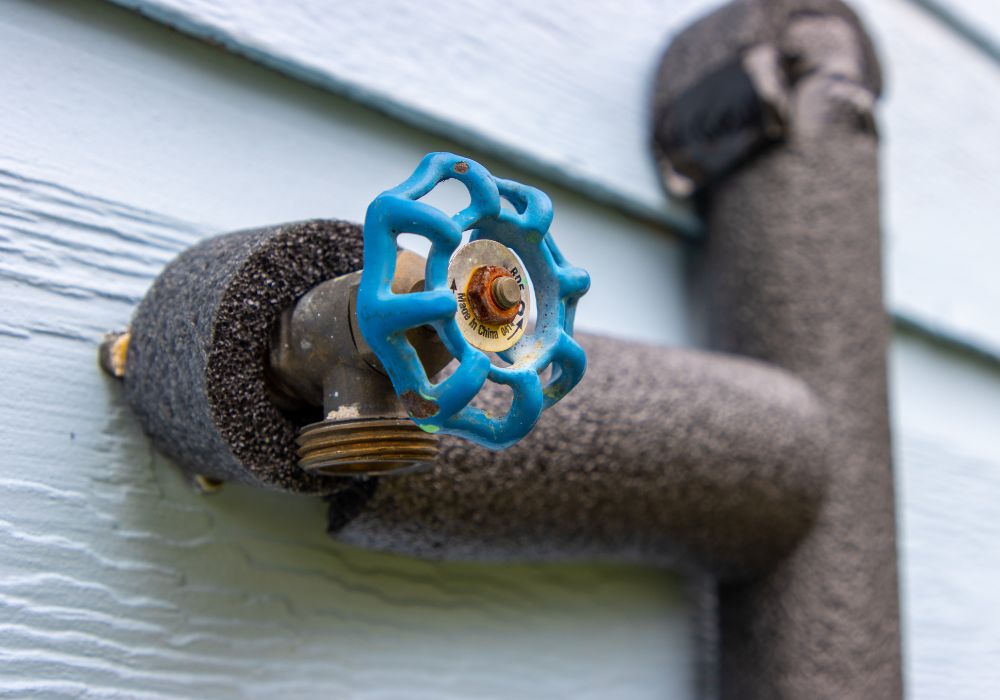
Start by checking pipes in your basement, attic, garage, and other unheated areas. Wrap exposed pipes with foam insulation to help protect them from freezing temperatures.
During periods of extreme cold, let water drip from faucets connected to vulnerable pipes. Keep your home heated, even when you leave for a short trip.
Know where your home’s main water shut-off valve is located. If a pipe bursts, shutting off the water quickly can help limit the damage.
Home Insurance Tip
Your homeowners insurance may cover sudden and accidental water damage from a burst pipe. However, coverage can vary based on your policy and the circumstances surrounding the loss.
Some policies may also require you to take reasonable steps to protect your home from freezing. Review your policy before winter arrives, and talk with North Town Insurance if you have questions about your coverage.
2. Check Your Roof for Snow and Ice
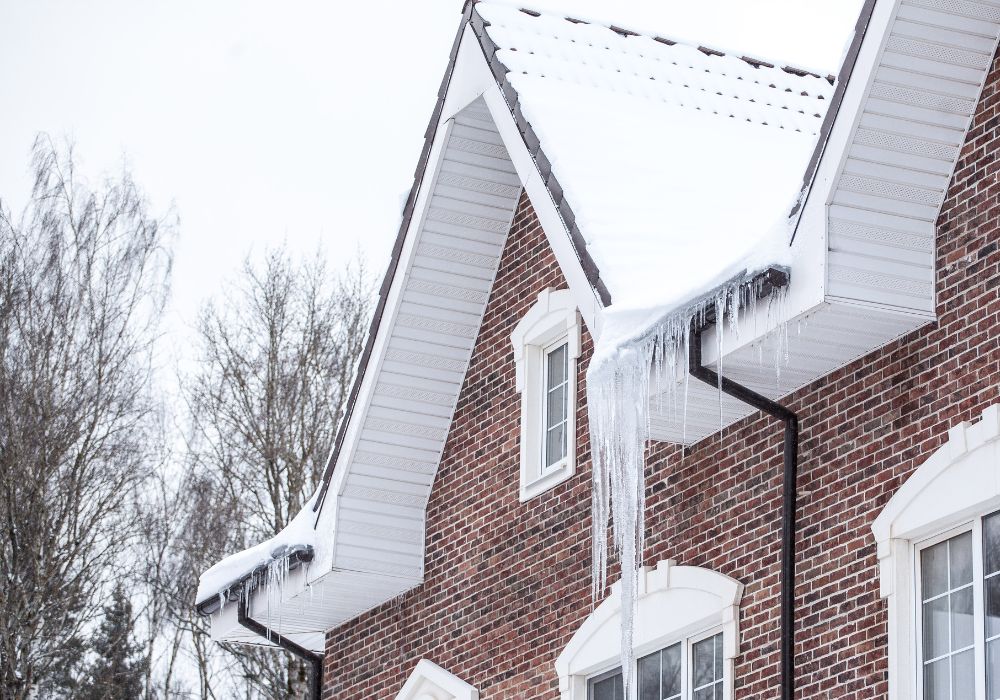
Spokane winters can bring significant snowfall. Heavy snow and ice can place additional weight on your roof and contribute to leaks or other damage.
Before winter weather arrives, inspect your roof for damaged or missing shingles. Look for loose flashing, cracks, and other areas where water could enter your home.
Winterizing Tip
Address roof problems before the first major snowfall. If snow accumulates heavily, consider hiring a professional to evaluate or remove it.
Never climb onto a snow-covered roof to remove snow yourself. A professional can assess the situation and use the proper equipment.
Home Insurance Tip
Your homeowners policy may cover certain types of sudden and accidental damage caused by snow or ice. However, coverage can depend on the condition of your roof and the cause of the loss.
Regular maintenance matters. Insurance generally does not exist to cover damage that results from long-term wear, deterioration, or neglect.
If you’re unsure about your coverage, North Town Insurance can help you review your policy.
3. Seal Gaps and Cracks
Drafty windows and doors can make your home harder to heat during Spokane’s coldest months. They can also increase your energy bills.
Walk around your home and look for gaps around windows, doors, vents, and other openings. Check your attic and basement, too.
Winterizing Tip
Use weatherstripping around doors and windows. Apply caulk to small gaps and cracks. You can also use foam sealant where appropriate.
Pay special attention to areas where pipes enter or leave your home. Sealing these openings can help keep cold air away from vulnerable plumbing.
Home Insurance Tip
Homeowners insurance does not typically cover higher energy costs caused by drafts or poor insulation. However, regular home maintenance can help reduce the risk of other problems.
Taking care of small issues now can help you avoid larger and more expensive repairs later.
4. Clean Your Gutters and Downspouts
Your gutters play an important role in protecting your home from water damage. Leaves and other debris can block the flow of water before winter arrives.
Ice and snow can make the problem worse. Blocked gutters may contribute to ice dams, roof leaks, and water drainage problems around your foundation.
Winterizing Tip
Clean your gutters before the first significant snowfall. Remove leaves, sticks, and other debris.
Then check your downspouts. Make sure they direct water several feet away from your home’s foundation.
Gutter guards can also help reduce future debris buildup.
Home Insurance Tip
Don’t assume your homeowners insurance will cover every problem caused by clogged gutters. Insurance generally focuses on sudden and accidental damage rather than problems caused by poor maintenance.
Regular gutter maintenance can help you reduce preventable water damage and protect your home throughout the winter.
5. Maintain Your Heating System
Your heating system works hard during a Spokane winter. A furnace, heat pump, or boiler that hasn’t received regular maintenance may struggle when temperatures drop.
A heating system problem can also create safety concerns. Poorly maintained equipment can increase the risk of fire or carbon monoxide exposure.
Winterizing Tip
Schedule a professional inspection before the coldest weather arrives. Ask the technician to check your system and identify potential problems.
Replace your furnace filter according to the manufacturer’s recommendations. Keep vents and registers clear so warm air can circulate properly.
If you use a fireplace or wood stove, have the chimney inspected and cleaned as needed.
Make sure your carbon monoxide detectors and smoke alarms work properly. Replace batteries when needed.
Home Insurance Tip
Your homeowners insurance may provide coverage for certain losses caused by a covered fire or other insured event. However, your policy may not cover every heating-system failure or maintenance issue.
If you have questions about what your policy covers, ask North Town Insurance to review it with you.
6. Protect Outdoor Furniture and Equipment
Winter weather can damage outdoor furniture, grills, tools, and other equipment. Snow, ice, moisture, and freezing temperatures can shorten the life of these items.
Winterizing Tip
Move outdoor furniture and smaller equipment into a garage, shed, or other protected space when possible.
For larger items, use weather-resistant covers. Follow the manufacturer’s recommendations for winter storage.
If you have an irrigation system, drain and winterize it before temperatures reach freezing. This step can help protect irrigation pipes from cracking or bursting.
Home Insurance Tip
Your homeowners policy may cover certain personal property losses, including some outdoor belongings. Coverage can vary based on the item, the cause of damage, and the terms of your policy.
If you own expensive outdoor equipment, ask your insurance agent whether your current coverage provides enough protection.
7. Know Where Your Main Water Shut-Off Is
This simple step can make a major difference if a pipe freezes or bursts.
Every homeowner should know how to shut off the home’s main water supply. Make sure everyone in your household knows where the valve is located and how it works.
Winterizing Tip
Locate the main shut-off valve before winter arrives. Test it carefully if you can do so safely.
Keep the area around the valve clear and accessible. You don’t want to search for it while water is pouring from a burst pipe.
If you leave Spokane during a winter trip, take additional precautions. Keep your home at a safe temperature and consider asking someone to check the property while you’re away.
Why Winterizing Your Home Matters for Your Insurance
Winterizing your home does more than protect your property. It can also help you understand where your homeowners insurance fits into your overall winter preparation.
Your policy may cover certain sudden and accidental losses caused by winter weather. However, insurance does not cover every type of damage.
Coverage depends on your policy, the cause of the loss, and the circumstances surrounding the damage.
That’s why a policy review can make sense before winter arrives.
Ask questions such as:
- Does my policy provide coverage for water damage from a burst pipe?
- What happens if snow or ice damages my roof?
- Do I have enough coverage for my personal belongings?
- Are there exclusions or limitations I should understand?
- What responsibilities do I have to maintain my home?
A quick conversation with your insurance agent can help you understand your coverage before you need it.
Protect Your Spokane Home With North Town Insurance
At North Town Insurance, we understand the risks Spokane homeowners face throughout the year, including during the winter months.
Our team can review your homeowners insurance and help you understand your current coverage. We can also help identify potential gaps and discuss options based on your needs.
Don’t wait until a frozen pipe, roof leak, or winter storm forces you to discover what your policy covers.
Contact North Town Insurance today to review your homeowners insurance and make sure you’re prepared for the winter ahead.
Conclusion
Winterizing your home doesn’t have to be complicated. A few hours of preparation can help protect your Spokane home from freezing temperatures, snow, ice, and other winter hazards.
Insulate vulnerable pipes. Check your roof. Clean your gutters. Maintain your heating system. Protect your outdoor equipment. Most importantly, know how to shut off your home’s water supply if a pipe bursts.
Then take one more step: review your homeowners insurance.
The right preparation can help you enter the winter season with greater confidence. North Town Insurance is here to help you understand your coverage and prepare for whatever the Spokane winter brings. Call us today at (509) 483-3030 or visit us online to schedule your policy review.
Read the December 2024 Edition of our Newsletter: Your Source for the Latest Insurance Industry Insights
Fine Print: This article is for informational and educational purposes only and does not constitute legal or insurance advice. Insurance policies vary significantly by carrier and state. To understand your actual coverage, exclusions, and deductibles, please review your specific policy documents or schedule a consultation with your licensed insurance agent.